
When
writing a story, you not only have to come up with characters, but you have to
name them, otherwise it might be a little difficult to figure out who is who. I'm
obviously stating the obvious (or is that I'm
literally stating the obvious?). Okay, enough silliness. The point is, how
do you give your characters their names? There is no right or wrong way, but
here is how I handle the naming issue.
When
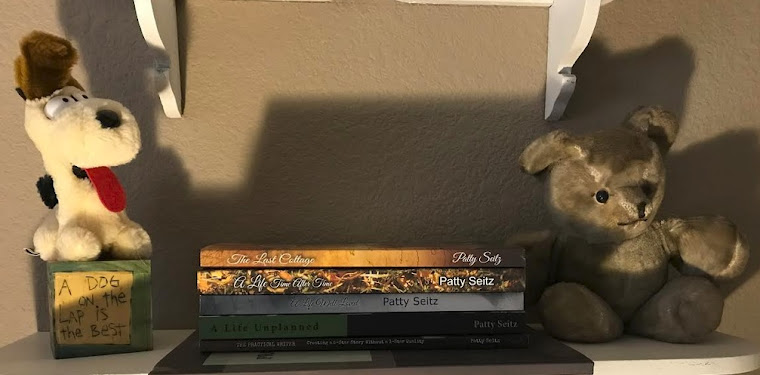
I was writing my 3 novels about my family (short plug, you can find them here
> https://www.amazon.com/-/e/B00U0KSQCO),
I didn’t want to use their real names, especially for those people still
living. Now I did use the real names of those family members from the 1800s, as
I didn’t think they would mind. But starting with those family members born in
the late 1800s and beyond, I did decide to rename their first names.
I
started out by making a list of female and male names. I wrote down anything I
could think of, even names I didn’t particularly like. That turned out to work
out well because I used the names I didn’t like for those people in the stories
I didn’t like. If you read the books, especially A Life Unplanned, you probably will be able to figure out which
names I don’t like. I also researched popular names from the early 1900s and
added those to my list, if they weren’t already included, and did that for the
various decades. If I heard a name on TV or even in reading other books, I
jotted those down as well.
As
I would use a name, I crossed it off the list to make sure I wouldn't use it
again. There were times when I changed a name, simply because, as I would get
further into the story, I would sometimes find another name fit the character
better. If you do that, you just have to remember to go back and change it
throughout the story. I did actually read a book once where the author
accidentally called a character by another character’s name. I had to re-read
the paragraph a couple of times to realize what had happened, but it didn’t
take away from the story at all. It’s nice to know that even the best of
authors make mistakes.
The
series that I'm currently writing is not about my family. It’s a completely
made up story that I do hope to turn into 4 or 5 books. I have to determine
both first and last names, especially since I hope to make this set of stories
take place over many, many years. Unfortunately, my husband and I have lost a
handful of friends who died long before their time, most due to illness and one
through a traffic accident. As a tribute to them, I'm using their last names.
Thankfully it’s not a long list, but that helped with figuring out a few
characters. Otherwise, I'm going through the same process of making long lists
of last names and going from there.
To
get back a little on my first set of novels, I wrote an older post about the
fact I mostly didn’t use the real names of my family, even though the stories
are based on real events. If you should write a book or series of books about
your family but wanting to change the names, it would be a good idea to include
a table of contents of your characters, perhaps not in the published books, as
then there would be no point in making up names. But for your future family
members who might read about your family, keep several copies for yourself to
make sure they will get passed down and insert the TOC in each of the books so
that future generations will know each character from their real life. If you look
over some of my older posts, you will find I created a picture history of my
family, the post titled A Family Project,
and I included my TOC there as well. I made a copy for myself and my brother
and sister. It’s a great way to bring the characters in your memoir to life by
including their pictures as much as you can. That project took me over a year
to complete, but I'm so glad I did it. You can also read excerpts from all my
books, and those are all labeled on the right side of my blog. If you haven't
read my books, you can take a peek at what the stories are all about. That just might get you started on finding
out about your own family history. It’s truly a life-changing experience.
I hope my “naming names” was of some help if you plan to create some new characters of your own or maybe take a look at the ones you already know. Keep reading, keep writing, and enjoy the journey.

